IT’S NOT ALWAYS EASY
A female friend recently told me that aging is “for the birds”. This was a very healthy and fit lady. Personally, I see a big difference in my physical health, yet I realize that at age 84, I am fortunate to be relatively very active.
Swiss psychiatrist Carl Jung viewed later life as a developmental stage, not a slow countdown. He saw a natural turning from outer achievement to the inner work of unifying the opposites. We grow less concerned with externals and more attuned to what is happening within us – what we value, believe and know to be true.
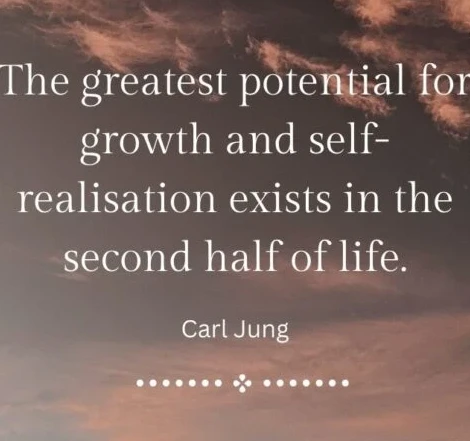
In the United States, men have a life expectancy of 76.5 years and it’s 81.4 for women. I noticed significant physical health differences as I reached 80. I relate strongly to the words of Dr. Carl Jung.
This post will speak of the gradual changes that we may expect to encounter as we approach the 80’s, while realizing that genetics, exercise, nutrition, access to healthcare and smoking/drinking choices play major roles.
PHYSICAL CHANGES
- Muscle mass – slow decline in the 70s and faster decline in the 80s unless we continue with strength training
- Strength – slight reduction in the 70s, more noticeable in the 80s
- Balance – minor changes in the 70s, greater risk for falls in the 80s
- Bone density – decrease in the 70s, fracture concerns in the 80s
- Walking – somewhat slowing in the 70s, more obvious slowing in the 80s
- Recovery from illness – usually good in the 70s, longer time needed in the 80s
In our 70s, we may generally have “reserve capacity”, but it decreases with further age from what may be a week of recovery from injuries or illnesses to several weeks or months.
Here are a few more physical changes to expect:
- Cardiovascular – for men and women. Stiffer arteries, higher likelihood of high blood pressure, increased risk of heart rhythm abnormalities
- Brain and memory – typical aging includes taking longer to recall names, slower processing speed, needing more time to learn new technology (an issue with me) and occasional forgetfullness. But many people in their 80s retain excellent judgment, vocabulary and long term memory.
- Vision and hearing – we may have more difficulty seeing in dim light and dealing with glare from headlights. Brighter reading lights become more important. We may experience hearing loss with high pitch sounds or may have trouble understanding words in noisy restaurants.
- Sleep – sleep may become lighter with more nighttime awakenings. Daytime naps may become frequent.
- Immune system – greater risk of infections and slower healing may be expected. Our immune system simply becomes less robust.
MEN VS. WOMEN
It’s not really a contest, but there may be significant differences. Here are a few contrasts:
Men entering their 80s may experience a decline in testosterone, reduced muscle mass, prostate enlargement, erectile dysfunction and higher rates of heart disease. But they may have already passed the highest risk years for premature cardiovascular events.
Women in their 80s may have greater bone loss with lower levels of estrogen, more risks of osteoporosis or hip fractures and higher rates of arthritis. With longer life expectancy, they may live with chronic conditions longer. Also, lengthy widowhood becomes more common.
A direct comparison:
Men – shorter lifespan expectancy, Women – longer average lifespan.
Men – more heart disease earlier. Women – more osteoporosis
Men – more prostate problems. Women – more hip fractures
Men -greater muscle mass throughout life. Women – generally better flexibility
Men – higher risk of dying younger. Women – higher risk of living alone at a very old age
RECOMMENDATIONS
Research consistently shows us that positive habit formation maintains the strongest association with healthier aging into the 80s. Here are the more important ones:
- Regular strength training – 2-3 times weekly
- Daily walking or other aerobic activity
- Balance exercises, such as tai chi
- Adequate protein intake
- Good sleep
- Staying socially engaged
- Keeping the brain active through reading, learning, hobbies or volunteering
- Managing blood pressure, cholesterol and diabetes, if present
- Avoiding smoking and limiting alcohol
I have always been fascinated by the power of habits and have posted articles about this (see links below) and have emphasized habit formation in other articles. To me, habits are more important than willpower or motivation (which may vary often). Habits produce automatic responses and can override lackadaisical periods.
7 Simple Fitness Habits, for Anyone
The remainder of this post will explain the process of affiliate marketing and present some relevant affiliate links to Amazon.
AFFILIATE MARKETING AND AMAZON
Affiliate marketing is a performance-based model of revenue sharing. An affiliate promotes a company’s products or services and uses unique links to share in the sale. This is explained in my upper menu. See BECOME AN AFFILIATE MARKETER for details. Also, the simple diagram below will show how this works, though no suit or briefcase is needed. We affiliates work from home as we sit in front of a computer.

Amazon is in many ways the perfect company to implement affiliate marketing. Their linking process is simple and effective, easy to set up. Their delivery service and customer care are both excellent. Amazon is known and respected globally. I have often used Amazon when I wanted to save on gas money and the time to go shopping locally. After all, Amazon has an inventory of products to supply most of what anyone may want or need. A nurse recently recommended an OTC medical item to me. I asked where it may be found. She suggested Amazon over local pharmacies, for speed of delivery and general convenience.
Here are a few Amazon links to relevant items, beginning with books:
Coming to Age (Jungian Psychology)
101 Reasons Women Get Better with Age
Also:
Chocolate brownie protein bars
Resistance bands with handles – for strength training at home at a very low price
FINAL THOUGHTS
The good news is that today’s octogenarians are generally healthier and more active than those of previous generations. We can continue to travel, exercise, learn new skills and enjoy a high quality of life.
Our goals may shift from building maximum strength to protecting our joints, building mobility and balance – and living independently.
Let’s defy the negatives of the aging process!
